Tempered vs Laminated vs Insulated Glass: Which One Do You Need?
Tempered vs laminated vs insulated glass — compare strength, safety on breakage, sound reduction, energy saving and cost, with a quick selection guide and FAQ from Clariglass glass factory.
Tempered vs Laminated vs Insulated Glass: Which One Do You Need?
Buying the wrong glass type costs time, money and safety. Here is a clear comparison of the three most common architectural glass types — and how to choose the right one for your project.
Tempered Glass — Strength and Safety
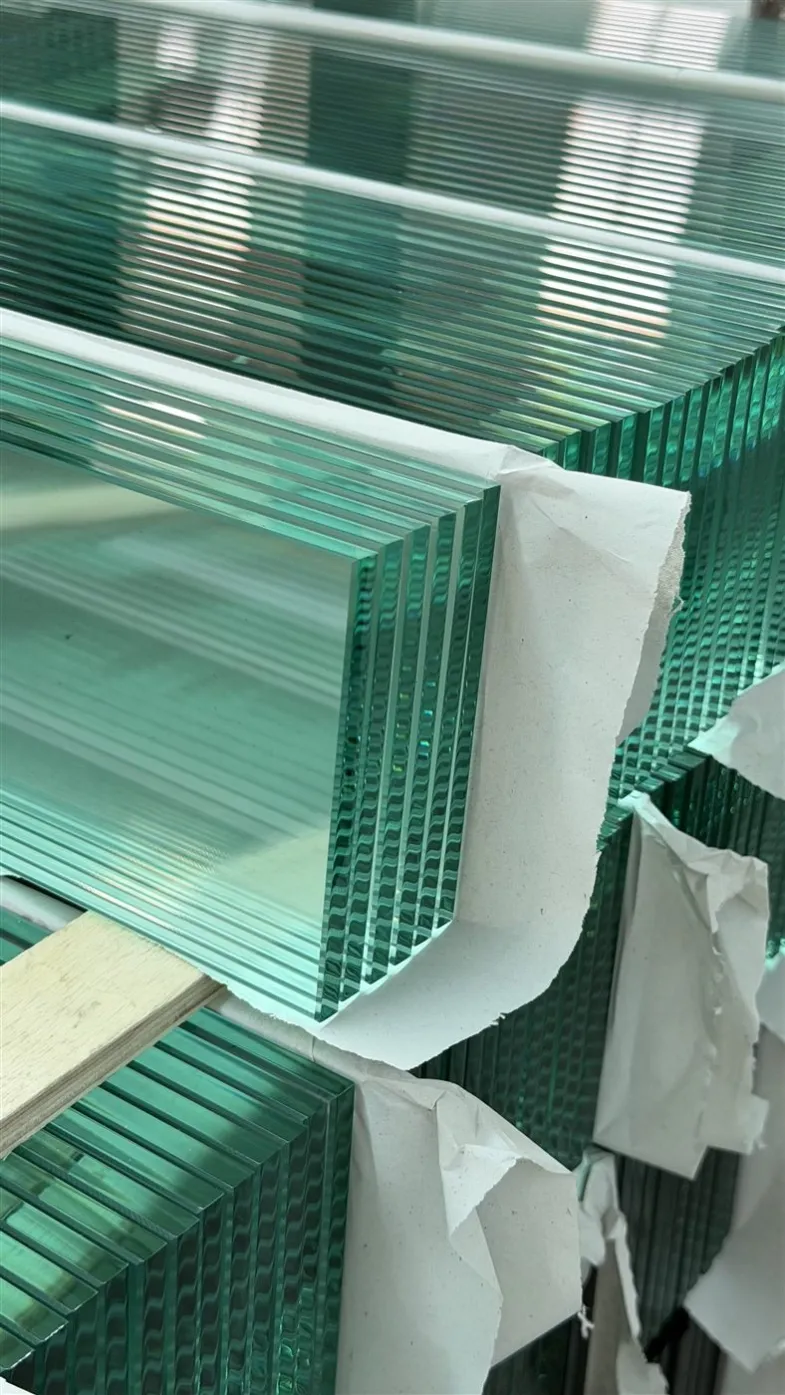
Tempered glass is heated to about 700°C and rapidly cooled, making it 4-5x stronger than ordinary glass. When it breaks, it shatters into small blunt granules instead of sharp shards.
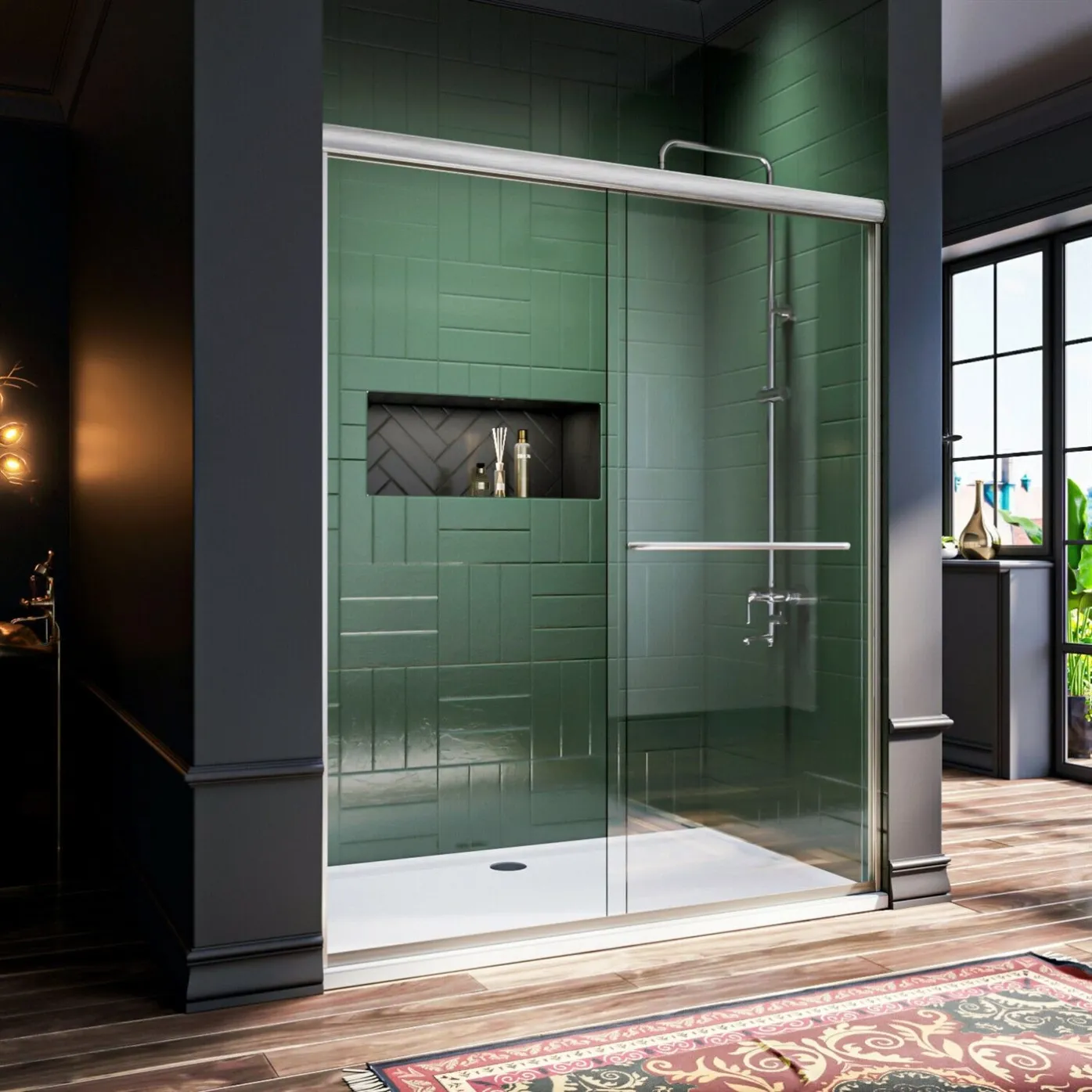
Best for: shower doors, glass railings, table tops, frameless partitions, single-glazed windows and doors.
Standards: EN 12150, ASTM C1048.
Limitations: cannot be cut or drilled after tempering — all cutting and holes must be done before tempering. Rare spontaneous breakage can occur (heat-soak testing reduces the risk).
Laminated Glass — Security and Sound
Two glass panes bonded with a PVB (or SGP) interlayer. On impact, the interlayer holds fragments together — the opening stays sealed. Blocks 99% of UV and significantly reduces sound.
Best for: overhead glazing, balconies, storefronts, floor glass, sound-sensitive rooms, safety-critical locations.
Standards: EN 12543, ANSI Z97.1.
Limitations: higher cost; edges must be properly sealed against moisture.Insulated Glass (Double Glazing) — Energy Saving
Two or three panes separated by a spacer, sealed with dry air or argon gas, often combined with Low-E coating. Cuts heating and cooling energy loss by up to 50% and stops condensation.
Best for: windows, curtain walls, cold or hot climates, energy-saving buildings.
Standards: EN 1279, ASTM E2190.
Limitations: thicker profile needed; once sealed, the unit cannot be modified.
Quick Comparison
Strength: Tempered — high impact resistance; Laminated — holds on impact; Insulated — structural panes (often tempered inside).
Safety on breakage: Tempered — safe granules; Laminated — glass stays in place; Insulated — depends on the panes used.
Sound reduction: Tempered — standard; Laminated — excellent (PVB dampens sound); Insulated — very good (cavity plus a laminated pane works best).
Energy saving: Tempered — standard; Laminated — standard; Insulated — excellent (Low-E + argon, U-value down to 1.1 W/m²K).
Cut after production: Tempered — no; Laminated — no; Insulated — no.
Typical use: Tempered — shower doors, railings, tables; Laminated — overhead glazing, storefronts; Insulated — windows and curtain walls.
How to Combine Them
You don't always have to choose just one. Common combinations:
Tempered + laminated (one pane tempered, one laminated): maximum safety for balconies and pool fences.
Tempered + Low-E insulated unit: energy-saving windows that are also safe.
Tempered laminated glass: shower partitions and railings where both strength and hold-on-break are required.
Not sure? Send us your application and drawings — we will recommend the right combination honestly.FAQ
Q: Which glass type is cheapest?
A: Tempered glass is usually the most affordable. Laminated adds interlayer cost; insulated units add spacer and gas cost. Mixed containers let you combine types without extra MOQ.
Q: Do all types meet CE requirements?
A: Yes for tempered glass - CE (EN 12150) certificate and test reports are provided with every tempered glass order. Laminated and insulated glass are produced to EN 12543 / EN 1279 standards.
Q: What thickness should I choose?
A: Tempered: 3-19mm (8-10mm standard for shower doors). Laminated: 6.38-16.76mm. Insulated: 5+9A+5 up to 6+16A+6 Low-E. Send your application for a recommendation.
Order from the Factory
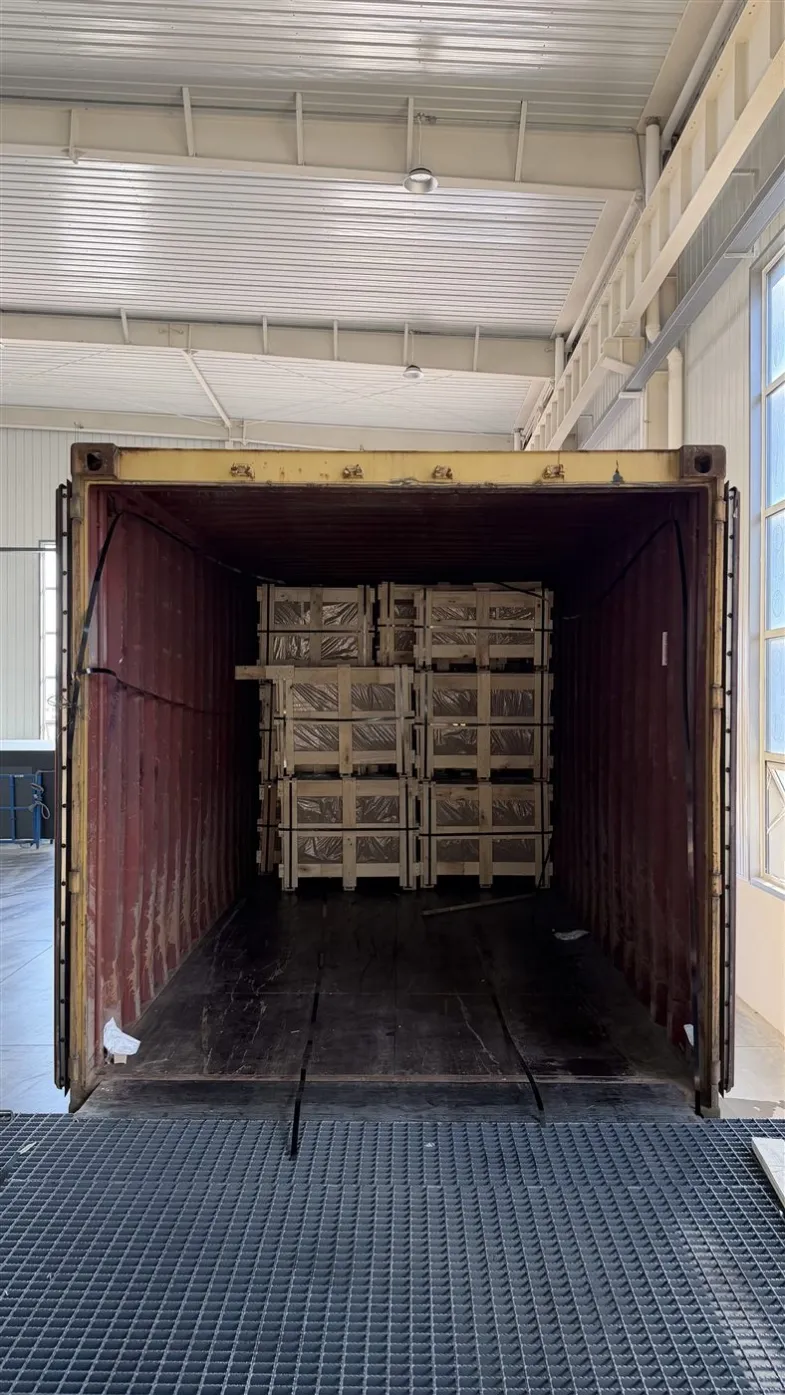
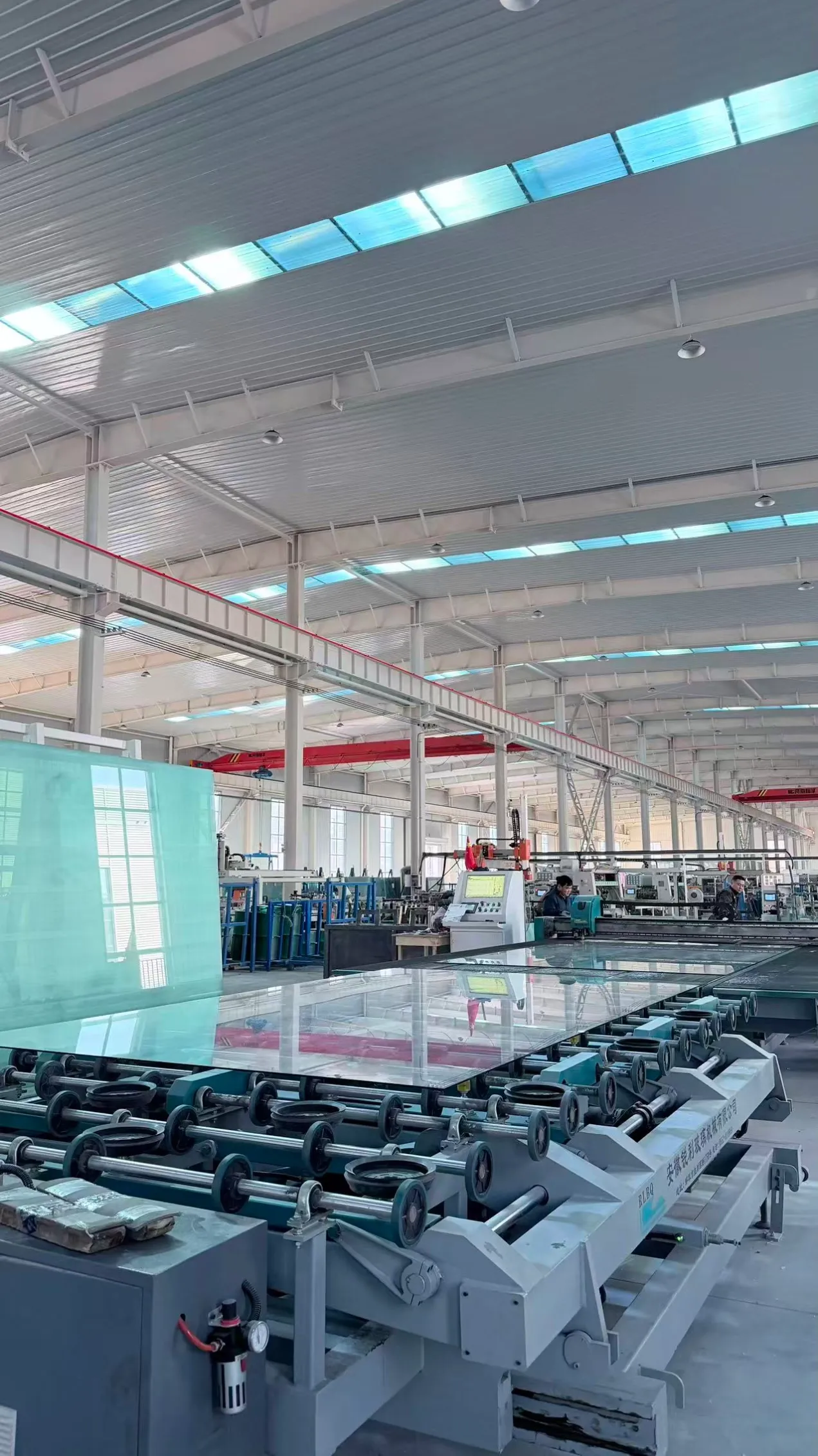
Clariglass manufactures all three glass types in our 15,000 m² factory in Qinhuangdao, China. Free samples, custom sizes, T/T payment and export to 30+ countries.
WhatsApp +86 182 3359 3143 or email alicexu189@gmail.com — quotes within one business day.